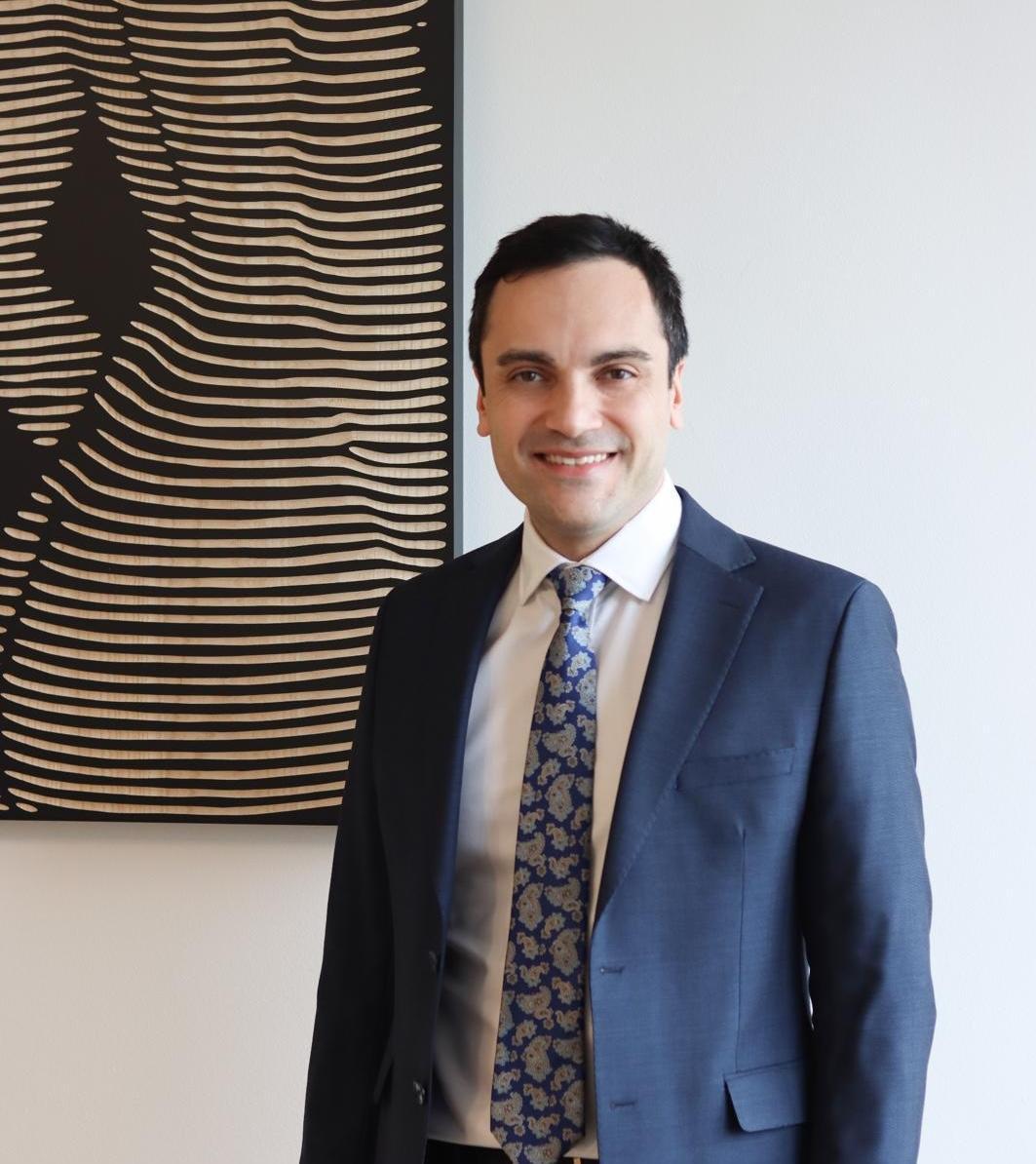
Combining plastic surgery safely is a design discipline — anaesthesia ceilings, tissue budgets and recoveries that must not fight each other. Assoc. Prof. Dr. Ayhan Işık Erdal designs combinations for patients flying in from around the world: honestly triaged, personally performed, and planned all the way home.
Every operation spends from two budgets: safe anaesthesia time and your body's total healing capacity. A good combination fits inside both and pairs procedures whose recoveries cooperate. A bad one is just a longer operation with a marketing name.
That's why the process here starts with triage, not a menu: send everything you're considering, and the plan comes back designed — combine these, stage that, and honestly, you don't need the third. All three are answers this practice actually gives.
A BBL alone: three weeks off your back. A tummy tuck alone: face-down is misery. Combine them and both classic positions are gone — recovery becomes a designed system of side-sleeping rotation and recliner living. If a clinic offers the combo without volunteering that plan, it hasn't done it much.
Read the position paradoxEach page covers why the pair works, how it rewrites recovery, and when it isn't the answer — the part most sites skip.
The classic face-plus-body pairing: different anatomical zones, no competing recovery positions, one anaesthesia. The nose splints while the chest heals — neither slows the other.
Nose and ears in one facial session — a natural surgical neighbourhood sharing one recovery: same head-elevated sleep, one week of headline healing, one set of time off.
Frequently requested together and anatomically compatible — brief added surgical time, discreet single-trip planning, and recoveries that run in parallel rather than in conflict.
The torso pairing at the heart of post-pregnancy and post-weight-loss surgery — one anaesthesia, one recovery arc, with garments and posture planned as a single system.
Adjacent territories after major weight loss — powerful together, but a combination with real position and garment logistics that must be planned, not improvised.
Core plus arms in one session — recovery-compatible zones (you sleep on your back anyway), with lifting restrictions that overlap neatly instead of stacking.
Three refinements, one facial recovery: nose reshaping, buccal fat removal and blepharoplasty share the same swelling arc, the same head-up fortnight, and one period off work.
Combination surgery's famous paradox: fat grafts ban back-lying, the abdominal repair bans face-down. Combined here only with the designed side-rotation and recliner protocol — planned before theatre, not after.
Lipoabdominoplasty — the skin repair and the contouring in one session: flanks and waist sculpted while the abdomen is repaired, for a result neither achieves alone.
Profile harmony's classic duo: the nose refined and the chin projected in one session, because profiles are read as a line, not as features.
Volume where you want it, contour where you don't — chest and waist treated in one anaesthesia with recoveries that share a timeline without sharing territory.
The face ages as one field — lifting the lower face while refreshing the eyes avoids the 'renovated downstairs, tired upstairs' mismatch, in one recovery.
The functional torso pairing: weight off the chest, repair for the core — two quality-of-life operations sharing one recovery arc and one set of restrictions.
Every procedure you're considering — honestly triaged. Photos plus your goals let Dr. Erdal see the whole picture before designing what belongs together.
What pairs safely in one anaesthesia, what should be staged, and what you don't actually need. The anaesthesia-time ceiling and your tissue budget decide — not a sales target.
Procedures, sequence, hospital nights, garments for every treated zone, transfers and follow-up — one figure, with the staging alternative priced alongside where relevant.
Typically 7–10 days in Istanbul for combined surgery — arrival work-up, the operation, structured early recovery for every treated area, and a final review before flying.
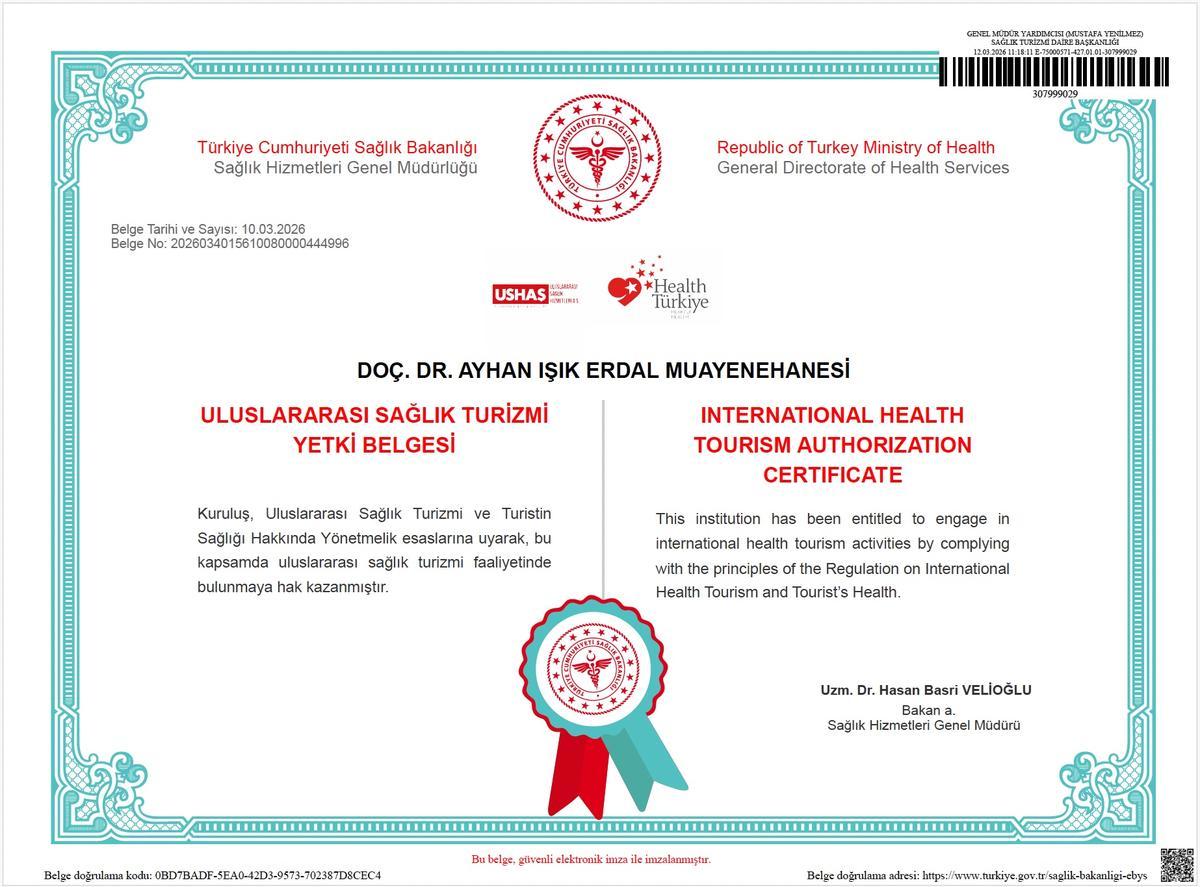
Performed personally by Dr. Erdal with a consultant anaesthetist in an accredited hospital — sequenced so each procedure gets unhurried attention inside safe total time.
Recovery advice rewritten for your specific pairing — positions, garments, activity gates — with scheduled photo reviews and a direct line home, wherever home is.
Combination surgery fails at the seams — which is why here there are none: Dr. Erdal designs and personally performs the full combination, sequencing every procedure inside one coherent plan.
Direct flights from London, Manchester, Edinburgh and Dublin, ~4 hours. The single-trip logic of combined surgery is why so many UK patients choose it: one set of leave, one recovery.
Direct routes from New York, Chicago, Toronto and more (9–11h). For transatlantic patients, combining is often the difference between surgery happening in one planned trip — or never quite happening at all.
Frankfurt, Berlin, Copenhagen, Stockholm, Oslo and Helsinki all connect directly in ~3–4 hours — close enough that even staged plans across two short trips stay practical.
Istanbul is one of the world's best-connected hubs. For long-haul patients especially, one combined operation with one recovery beats two separate journeys by every measure that matters.
The famous position paradox — and the side-sleeping, recliner-based protocol that actually solves it.
The ceiling is measured in hours and tissue trauma, not procedure counts — the honest arithmetic of combining.
Different zones, zero position conflicts — the mechanics of surgery's most compatible pairing.
Photos of every area you're considering, plus your goals and rough timeframe — Dr. Erdal personally replies with the triage (combine / stage / trim), the plan and a written all-inclusive quote.
WhatsApp the practice